
Insulating oil testing equipment Calibration Service
Accurate testing of insulating oil is closely tied to transformer reliability, asset maintenance planning, and electrical safety. When oil test instruments drift over time, the risk is not only measurement error but also poor maintenance decisions based on results that no longer reflect actual condition. A dedicated Insulating oil testing equipment Calibration Service helps keep these instruments dependable for routine analysis, acceptance testing, and long-term condition monitoring.
For maintenance teams, utilities, laboratories, and industrial service providers, calibration supports confidence in test data and improves consistency between sites, technicians, and reporting periods. It is especially important where oil condition trends are used to guide intervention timing, compare samples, or verify compliance with internal quality procedures.
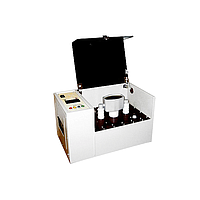
Why calibration matters for insulating oil test instruments
Insulating oil testing equipment is used to evaluate properties that influence insulation performance and equipment health. Because these measurements are often used to support maintenance decisions for transformers and related assets, even small deviations can reduce confidence in trending and comparison over time. Regular calibration helps verify that the instrument is operating within expected tolerance and responding correctly under controlled reference conditions.
In practice, measurement traceability is just as important as the test itself. A calibrated instrument gives users a stronger basis for documenting results, supporting audits, and reducing uncertainty when interpreting oil condition data. This is particularly valuable in environments where multiple instruments or service teams need consistent results across different jobs or facilities.
Typical equipment covered in this service scope
This category is intended for calibration support related to instruments used in insulating oil testing workflows. Depending on the device type and test method, equipment may be used in laboratory environments, maintenance workshops, mobile test vehicles, or field service applications. The goal of calibration is not simply to check whether a unit powers on, but to confirm that its readings and test behavior remain reliable for the intended measurement task.
Many organizations include calibration as part of a broader quality assurance routine for electrical testing programs. This can be especially useful when oil testing is only one step in a larger diagnostic process that also involves dielectric, insulation, or high-voltage verification work. Where related instruments are managed together, it may also be helpful to review services such as calibration for insulating materials testing equipment.
Who typically needs this calibration service
This service is relevant to utilities, transformer maintenance contractors, industrial plants, testing laboratories, and asset management teams that rely on insulating oil measurements as part of preventive or corrective maintenance. It is also useful for companies that need documented calibration records to support internal procedures, customer reporting, or external audits.
Organizations with recurring shutdowns, field testing schedules, or multi-site maintenance programs often benefit from a structured calibration interval. When instruments are shared among teams, transported frequently, or exposed to demanding operating conditions, periodic verification becomes even more important to maintain stable performance and reduce the chance of unnoticed drift.
What calibration helps you verify
A proper calibration process helps confirm that the instrument’s measurement function remains aligned with known reference values and that its response is suitable for the relevant testing method. This supports better repeatability, stronger confidence in trend analysis, and improved comparability between historical and current data sets.
Calibration can also help identify issues before they affect field decisions. These may include offset, drift, response instability, or performance changes caused by age, handling, or environmental exposure. In broader electrical maintenance programs, users often coordinate this work with other service categories such as withstand voltage test calibration or breaker test equipment calibration when multiple test platforms are maintained together.
Choosing the right calibration interval
There is no single interval that fits every operation. The right schedule depends on how often the instrument is used, how critical the measurements are, the stability of the equipment, and whether the device is used in a controlled lab or a more variable field environment. Instruments that support condition-based maintenance decisions for high-value assets typically justify closer calibration control.
Many users review calibration frequency based on usage history, previous as-found results, internal quality systems, and the consequences of an incorrect reading. If your maintenance workflow also includes resistance-based electrical verification, a related option may be low resistance meter calibration service as part of a coordinated service plan.
How this service supports maintenance and asset reliability
Reliable oil test data can improve maintenance planning by helping teams separate normal aging trends from abnormal changes that require further investigation. When calibration is kept current, the resulting data is more useful for comparing samples over time, validating service work, and supporting engineering judgment during inspection and troubleshooting.
For B2B users, this is not only a technical issue but also an operational one. Better calibrated instruments can support more consistent reporting, reduce repeat testing caused by questionable results, and strengthen communication between maintenance, quality, and asset management teams. Over time, that contributes to a more disciplined and efficient diagnostic program.
Documentation and service considerations
When arranging calibration for insulating oil testing equipment, it is useful to prepare the instrument identification, current operating condition, usage history, and any known measurement concerns. This helps ensure the service is matched to the device and that the calibration record is meaningful for your maintenance or quality system.
Companies managing multiple electrical test instruments often benefit from grouping related services under a common schedule. This simplifies administration, supports audit readiness, and reduces disruption to maintenance operations. It also makes it easier to track service history across different classes of test equipment used within the same reliability program.
Supporting dependable oil testing results
When insulating oil measurements are used to guide maintenance decisions, dependable instruments matter just as much as proper sampling and test procedure. A well-managed calibration service helps preserve confidence in the data, improve consistency over time, and support better decisions for transformer and insulation system maintenance.
If your operation depends on insulating oil analysis as part of electrical asset care, this service category provides a practical foundation for keeping test equipment aligned with day-to-day technical requirements. It is a straightforward step toward more reliable results, clearer documentation, and stronger control over critical testing workflows.
Get exclusive volume discounts, bulk pricing updates, and new product alerts delivered directly to your inbox.
By subscribing, you agree to our Terms of Service and Privacy Policy.
Direct access to our certified experts