
Lightning Arrester Tester Calibration Service
Reliable surge protection verification depends on measurements you can trust. When a lightning arrester tester is used to assess insulation condition, leakage behavior, or related electrical characteristics, the quality of the test result is closely tied to the condition and traceability of the instrument itself. That is why a professional Lightning Arrester Tester Calibration Service is an important part of maintenance planning for utilities, industrial facilities, and electrical testing teams.
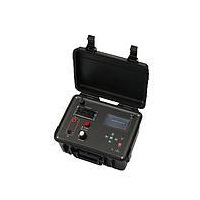
Why calibration matters for lightning arrester testing
Lightning arrester testers are commonly used in preventive maintenance, inspection routines, and troubleshooting work where engineers need dependable readings to evaluate equipment condition. If the instrument drifts over time, even small measurement errors can affect trend analysis, maintenance decisions, or acceptance checks performed in the field or workshop.
A structured calibration process helps confirm that the tester remains within its intended performance range and that readings are aligned with known reference standards. For organizations working under internal quality systems or regulated maintenance procedures, calibration also supports better documentation, consistency, and audit readiness.
What this calibration service typically supports
This service is intended for instruments used to verify the performance of lightning arrester test equipment in electrical maintenance and high-voltage testing workflows. In practice, calibration helps users confirm that the tester is responding correctly across the relevant measurement functions used during routine inspection or condition assessment.
For maintenance teams, the value is not limited to a pass/fail result. A well-executed calibration also supports measurement confidence, repeatability between service intervals, and more dependable comparison of results over time. This is especially useful when test records are used to identify gradual changes in equipment condition rather than isolated one-time readings.
Common situations where recalibration is recommended
Calibration intervals vary by internal procedure, usage frequency, and operating environment, but several situations typically justify recalibration. Instruments that are used regularly in demanding industrial environments may experience wear, transport stress, or exposure to conditions that can influence long-term accuracy.
- Periodic preventive maintenance schedules
- After repair, adjustment, or replacement of internal components
- Following heavy transport, impact, or suspected overload
- When readings appear inconsistent with reference values or historical trends
- Before critical inspection campaigns, shutdown work, or compliance audits
Even if a tester appears to function normally, calibration remains important because performance drift is not always visible during day-to-day use. A documented interval helps reduce uncertainty and keeps the instrument aligned with quality requirements.
How calibrated testers support electrical maintenance programs
In asset-intensive environments, a lightning arrester tester is part of a broader electrical testing ecosystem. Calibration helps ensure that decisions based on field measurements are made using instruments with verified performance, which can improve maintenance planning and reduce avoidable retesting.
Teams managing multiple types of electrical test instruments often coordinate calibration activities across related equipment. Depending on the scope of work, it may also be useful to review services such as withstand voltage test calibration or breaker test equipment calibration to keep the wider test workflow consistent.
Points to consider before sending an instrument for calibration
Before arranging service, it is helpful to confirm the instrument condition, usage history, and any symptoms observed by the user. Notes about unstable readings, physical damage, connector issues, or environmental exposure can help the calibration process proceed more efficiently and make the evaluation more relevant to real operating conditions.
It is also good practice to check whether your organization needs specific documentation formats, identification details, or asset references for internal records. Clear traceability, test reporting, and service history are often just as important as the calibration result itself, particularly for companies operating under formal maintenance or quality management procedures.
Related calibration needs in the same testing environment
Facilities that maintain insulation systems, cables, and protective devices rarely rely on a single test instrument. Calibration planning is often more effective when related equipment categories are reviewed together, especially when the same engineering team is responsible for several inspection methods.
For example, users working across electrical integrity and fault analysis may also need cable fault tester calibration service or insulating materials testing equipment calibration. Looking at these services together can simplify scheduling and improve control over instrument readiness.
Choosing a service approach that fits your operation
The right calibration arrangement depends on how the instrument is used, how critical the measurement is to maintenance decisions, and how your team manages service intervals. Some organizations focus on annual calibration cycles, while others adjust intervals based on usage intensity, risk level, or historical instrument performance.
It is also worth considering turnaround expectations, documentation needs, and the role of the instrument within your broader reliability program. A tester used for occasional checks may be managed differently from one that supports frequent field inspections or formal acceptance testing. In both cases, the goal is the same: maintain traceable performance and reduce uncertainty in the measurements your team depends on.
Support more dependable test results over time
Accurate electrical testing starts with instruments that have been properly checked and documented. A dependable calibration service for lightning arrester testers helps maintain confidence in inspection results, supports internal quality requirements, and contributes to more consistent maintenance decisions across the life of the equipment.
If your team relies on surge protection and high-voltage testing instruments as part of routine maintenance, keeping calibration up to date is a practical step toward better data quality and smoother service planning.
Get exclusive volume discounts, bulk pricing updates, and new product alerts delivered directly to your inbox.
By subscribing, you agree to our Terms of Service and Privacy Policy.
Direct access to our certified experts