
Lights, LED System Calibration Service
Reliable lighting measurement depends on more than the test instrument itself. In production lines, laboratory verification, and maintenance environments, even small drift in a light or LED measurement system can affect product quality, compliance checks, and comparison results between batches. A structured Lights, LED System Calibration Service helps confirm that the equipment used to evaluate light output, electrical behavior, and related test conditions continues to perform within expected accuracy.
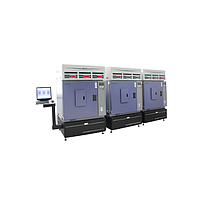
Why calibration matters for lights and LED systems
Lighting and LED-related test setups are often used where consistency is critical. Whether the goal is incoming inspection, product validation, routine quality control, or failure analysis, measurement uncertainty can directly influence pass/fail decisions. Regular calibration supports confidence in the readings generated by the system and helps reduce the risk of hidden deviation over time.
For many organizations, calibration is also part of a broader quality framework. It helps maintain traceable measurement practices, improves repeatability between operators or sites, and provides documented evidence that test equipment is being controlled appropriately. This is especially important when results are used for engineering decisions, customer reporting, or internal audits.
What is typically covered in this service
A calibration service for lights and LED systems generally focuses on verifying the measurement performance of the equipment against defined reference standards and accepted procedures. The exact scope depends on the instrument type and how it is used, but the objective remains the same: confirm that the system is reading correctly and identify any necessary adjustment or corrective action.
In practical terms, this can include assessment of key operating points, response consistency, and overall measurement behavior under controlled conditions. The service may also help identify signs of aging, sensor drift, or setup-related issues that can affect accuracy. Instead of relying only on routine operator checks, calibration provides a more formal basis for evaluating instrument condition.
Common situations where this service is useful
Calibration is often scheduled as part of preventive quality control, but there are many cases where it becomes especially important. Instruments that are used frequently, moved between workstations, or exposed to changing environmental conditions may require closer attention. A lighting test system that was accurate at installation may gradually shift due to normal wear, handling, or long-term component change.
This service is also relevant when measurement results start to look inconsistent, when a device has undergone repair, or when a company is preparing for an audit or customer qualification review. If your testing process depends on comparison with previous data, keeping measurement performance stable is essential. Similar discipline is often applied across other electrical test assets, such as withstand voltage test calibration and related verification activities.
How calibration supports quality and process control
In lighting and LED applications, test data may be used to approve products, compare suppliers, troubleshoot failures, or validate process changes. When measurement equipment is not calibrated properly, the resulting data can lead to unnecessary rejects, overlooked defects, or confusion between actual product variation and instrument error. A documented measurement traceability approach helps reduce these risks.
Calibration also supports better long-term trend analysis. If a production team is monitoring performance changes over time, confidence in the test system becomes just as important as the product under test. Stable and well-documented equipment makes it easier to separate process drift from measurement drift, which improves root cause analysis and decision-making.
Choosing the right service interval and scope
There is no single calibration interval that fits every lighting or LED test setup. The right schedule depends on usage frequency, criticality of the measurement, operating environment, internal quality requirements, and historical stability of the equipment. Systems used for final inspection or formal validation may justify tighter calibration control than equipment used only for noncritical screening.
It is also useful to think beyond the main instrument and consider the broader test chain. Sensors, fixtures, leads, and supporting electrical verification tools can all influence the final result. In some facilities, calibration planning is managed across multiple equipment groups, including services such as low resistance meter calibration where electrical integrity and connection quality are also important to the testing environment.
What to prepare before sending equipment for calibration
Providing clear information about the equipment’s normal use can help define a more suitable calibration scope. It is helpful to record the operating application, any known performance concerns, recent repairs, and whether the unit is used for reference measurement, production release, or troubleshooting. This context can make the service more relevant to the way the instrument is actually used in the field.
Users should also note any accessories or supporting components that are necessary for normal operation. If the system depends on specific probes, modules, or interfaces, calibration results may be more meaningful when the complete working setup is considered. The same principle applies in other specialized categories, including cable fault tester calibration service, where the broader measurement arrangement can affect overall performance.
Documentation and long-term equipment management
One of the practical benefits of calibration is the documentation that supports equipment control. A proper record helps maintenance teams, quality departments, and auditors understand when the unit was checked, what condition it was in, and whether follow-up action is needed. This information is valuable for scheduling future service and building a consistent maintenance history.
Over time, calibration records can also reveal patterns. If an instrument shows stable behavior across repeated service intervals, that may support more informed planning. If drift appears regularly, the data can help determine whether the issue is related to usage, environment, or equipment aging. In broader electrical test programs, this level of control is often aligned with services such as breaker test equipment calibration to maintain consistency across multiple asset types.
Keeping lighting measurements dependable
When light and LED testing plays a role in quality assurance, engineering evaluation, or production control, calibration is not just an administrative requirement. It is a practical way to protect measurement reliability, reduce uncertainty, and keep test results meaningful over time. A well-managed service plan helps ensure that the equipment continues to support accurate decisions rather than introducing avoidable doubt into the process.
If your team relies on lighting or LED measurement systems as part of routine operations, periodic calibration is a sensible step toward more stable workflows and better data quality. Reviewing service scope, interval, and supporting documentation can help you build a calibration approach that matches the technical and operational demands of your application.
Get exclusive volume discounts, bulk pricing updates, and new product alerts delivered directly to your inbox.
By subscribing, you agree to our Terms of Service and Privacy Policy.
Direct access to our certified experts