
Phase Angle Meter Calibration Service
Accurate phase relationship measurements are essential in power systems, relay testing, synchronization checks, and laboratory verification work. When a meter used to measure phase difference begins to drift, even small errors can affect troubleshooting, commissioning, and acceptance results. A professional Phase Angle Meter Calibration Service helps confirm that your instrument is reading correctly across its intended operating range and remains suitable for technical use.
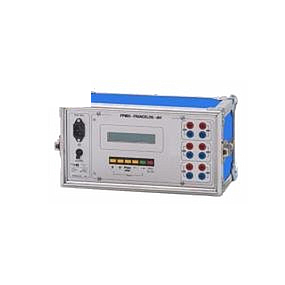
Why phase angle accuracy matters
Phase angle meters are used where the relationship between electrical waveforms must be verified with confidence. In practical field and bench work, this can include checking synchronization conditions, comparing voltage and current phase relationships, supporting protective relay test procedures, or validating measurement setups in electrical maintenance environments.
Because phase angle errors may not always be obvious during routine use, periodic calibration plays an important role in quality control. It helps identify deviation before it creates larger downstream issues such as incorrect diagnosis, questionable test reports, or inconsistency between instruments used by different teams.
What this calibration service is intended to support
This service is designed for organizations that rely on phase measurement integrity in inspection, maintenance, testing, and technical documentation. Typical users may include utilities, industrial plants, service contractors, electrical laboratories, training centers, and manufacturers that need dependable electrical test equipment performance.
A properly calibrated phase angle meter supports more consistent measurement results, better traceability, and improved confidence when instruments are used in regulated or quality-driven workflows. It is especially relevant when equipment is part of scheduled maintenance programs or is used to verify other electrical assets and test setups.
What is typically checked during calibration
While the exact procedure depends on the instrument design and intended function, calibration generally focuses on whether the meter indicates phase angle correctly under controlled reference conditions. This may include evaluating measurement response, indication accuracy, repeatability, and overall performance against appropriate standards or internal laboratory procedures.
The aim is not simply to power the unit on and confirm basic operation, but to verify that the instrument can still produce reliable measurement data. For technical teams, that distinction matters: functional operation does not always mean measurement accuracy.
When to consider recalibration
Calibration intervals often depend on how frequently the meter is used, the criticality of the application, and the environment in which it operates. Instruments used in field service, exposed to transport stress, or relied on for formal reporting may require closer attention than lightly used devices kept in stable laboratory conditions.
You should also consider recalibration after repair, after a suspected overload or abnormal event, or when measurement results appear inconsistent with other trusted equipment. If your workflow includes related electrical verification tasks, it may also be helpful to review services such as withstand voltage test calibration or breaker test equipment calibration as part of a broader maintenance plan.
Benefits of scheduled calibration for electrical test equipment
A structured calibration program helps reduce uncertainty in day-to-day testing work. Instead of relying on assumptions about instrument condition, teams can make decisions based on equipment that has been checked and documented. This is valuable for troubleshooting, preventive maintenance, acceptance testing, and quality audits.
For many organizations, the practical benefits include improved consistency between technicians, better confidence in recorded measurements, and reduced risk of repeating work due to questionable readings. In environments where multiple electrical testers are used together, calibration also supports better alignment across the wider instrument fleet.
How this service fits into a wider calibration workflow
Phase angle measurement is often only one part of a larger electrical testing process. Depending on the application, users may also maintain instruments for insulation, continuity, fault location, or specialized dielectric verification. Managing these services together can make calibration scheduling easier and help keep equipment readiness more predictable.
For example, organizations working across several electrical test disciplines may also need low resistance meter calibration, cable fault tester calibration, or support for related insulating material test equipment. Looking at calibration as a connected process rather than a single instrument event often leads to better planning and less downtime.
Choosing the right service approach
When arranging calibration, it is useful to define how the instrument is used in practice. A meter used for routine indication checks may require a different level of documentation or urgency than one used for compliance-sensitive testing or critical commissioning activity. Clarifying application needs in advance helps ensure the service aligns with your operational requirements.
It is also worth preparing the instrument with any relevant accessories, usage notes, or known symptoms before submission. This can make evaluation more efficient and help technicians understand whether the request is part of routine periodic calibration, post-repair verification, or investigation of a suspected measurement issue.
Conclusion
Reliable phase angle readings support better technical decisions in electrical testing, maintenance, and verification work. A dedicated Phase Angle Meter Calibration Service helps maintain measurement confidence, supports traceable workflows, and reduces the risk of errors caused by unnoticed instrument drift.
If your team depends on dependable electrical test results, regular calibration is a practical step toward more consistent performance and better control of equipment quality over time.
Get exclusive volume discounts, bulk pricing updates, and new product alerts delivered directly to your inbox.
By subscribing, you agree to our Terms of Service and Privacy Policy.
Direct access to our certified experts