
Relay Tester Calibration Service
Reliable protection testing depends on instruments that deliver repeatable and traceable results. In power utilities, panel building, maintenance, and commissioning work, even small measurement drift in a relay test set can affect pickup verification, timing checks, and fault simulation outcomes. That is why Relay Tester Calibration Service is an important part of maintaining confidence in electrical protection testing.
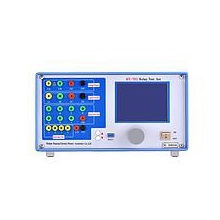
Why calibration matters for relay testing equipment
Relay testers are used to verify the behavior of protective relays under controlled electrical conditions. These instruments typically support current injection, voltage output, timing measurement, and functional verification of protection schemes. When calibration is overdue, the gap between the intended test value and the actual delivered value can lead to incorrect acceptance decisions in maintenance or commissioning.
A structured calibration process helps confirm that key outputs and measurements remain within known tolerances. For teams responsible for substations, switchgear, industrial power systems, or protection panels, this supports better measurement traceability, more consistent documentation, and lower risk when evaluating relay performance.
What is typically checked during a relay tester calibration service
The exact scope depends on the instrument design and the functions it provides, but calibration generally focuses on the electrical parameters and timing functions that are critical to practical relay testing. This may include verification of output accuracy, measurement channels, timing behavior, and overall functional consistency across the operating range used in field or laboratory work.
For users, the value of calibration is not just a certificate. It is confirmation that the tester can still support dependable relay pickup tests, timing checks, contact verification, and simulated fault conditions with a known level of confidence. In environments where protective coordination and outage prevention matter, that assurance is essential.
Common users and application environments
This service is relevant for organizations that routinely test protective devices as part of installation, periodic maintenance, troubleshooting, or refurbishment. Typical users include utility service teams, electrical contractors, industrial maintenance departments, testing laboratories, and engineering companies working with medium- and high-voltage systems.
Relay testers are often used alongside other specialized electrical test instruments. Depending on the broader maintenance workflow, users may also need services for related equipment such as breaker test equipment calibration or withstand voltage test calibration. Linking these calibration activities can help standardize quality control across the test bench or field service program.
When to schedule calibration
Calibration intervals are commonly based on internal quality procedures, usage frequency, environmental conditions, and the criticality of the measurements being made. Instruments used in demanding field conditions, frequent transport, or high-volume testing programs may require closer review than units kept in controlled environments.
It is also wise to schedule calibration after events that could affect instrument accuracy, such as mechanical shock, suspected overload, repair, or inconsistent test results. If a relay test set is part of a documented maintenance regime, periodic calibration supports more reliable trending and helps prevent uncertainty from being introduced into protection studies or acceptance testing.
Choosing the right calibration support
Not every calibration requirement is identical. Some users need routine periodic verification, while others need support aligned with internal compliance procedures, service records, or broader asset management plans. A useful calibration service should fit the operating context of the equipment and the level of confidence required for the applications involved.
When reviewing service options, it helps to consider the tester’s functions, the parameters most important to your workflow, and how the calibration records will be used afterward. For organizations managing multiple types of electrical testers, it may also be practical to coordinate related services such as low resistance meter calibration or cable fault tester calibration to simplify maintenance planning.
Benefits for compliance, maintenance, and reporting
In many industrial and utility environments, calibration is closely tied to documentation quality. Service records support internal audits, maintenance traceability, and more consistent control of test equipment used in acceptance, troubleshooting, or preventive maintenance programs. This is especially important where test reports influence operational decisions or handover documentation.
Well-managed calibration intervals also contribute to better equipment lifecycle control. Instead of reacting only after questionable test results appear, teams can maintain a predictable service routine that supports uptime, improves confidence in field measurements, and reduces uncertainty in protection-related work.
How relay tester calibration fits into a broader electrical test program
Relay test sets are rarely used in isolation. They are part of a broader ecosystem of electrical testing and verification tools that support safety, reliability, and system performance. When these instruments are maintained under a coordinated calibration program, test results across different procedures become easier to compare and trust.
That broader perspective is useful for facilities that manage insulation verification, contact resistance measurement, breaker performance checks, and cable diagnostics in parallel. Bringing calibration activities into a consistent schedule helps create a more dependable testing workflow, especially where multiple teams or project phases rely on shared equipment.
Final considerations
Protection testing is only as dependable as the instruments used to perform it. A well-planned Relay Tester Calibration Service helps maintain confidence in output accuracy, timing verification, and the overall quality of relay testing work across commissioning, maintenance, and diagnostic tasks.
If your organization depends on relay test equipment for critical electrical systems, regular calibration is a practical step toward stronger traceability, more reliable reporting, and better long-term control of test quality.
Get exclusive volume discounts, bulk pricing updates, and new product alerts delivered directly to your inbox.
By subscribing, you agree to our Terms of Service and Privacy Policy.
Direct access to our certified experts