
SF6 gas analyzer Calibration Service
Reliable gas quality measurement is critical when SF6-filled equipment is used in power systems, testing labs, and maintenance workflows. Even a small drift in analyzer readings can affect decisions around insulation performance, gas handling, reuse, and compliance documentation. For that reason, SF6 gas analyzer Calibration Service plays an important role in keeping measurement results consistent, traceable, and suitable for technical evaluation.
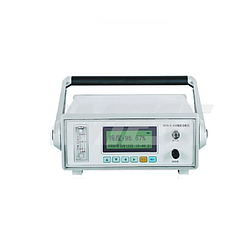
Why calibration matters for SF6 gas analyzers
SF6 gas analyzers are typically used to verify gas condition before commissioning, during maintenance, or when assessing whether gas can remain in service. These instruments may be used to measure parameters such as gas purity, moisture, or decomposition-related indicators, depending on the analyzer configuration. Because these values influence maintenance planning and equipment condition assessment, measurement confidence is essential.
Regular calibration helps confirm that the analyzer responds correctly across its intended operating range and that the displayed values remain aligned with known reference standards. In practical terms, this supports measurement accuracy, reduces uncertainty in field reports, and helps maintenance teams avoid decisions based on unreliable data.
Typical situations where this service is needed
Calibration is commonly requested when an analyzer is part of a scheduled quality system, after long periods of field use, or before critical testing campaigns. It is also relevant when instrument readings appear inconsistent, after transport or storage in demanding environments, or when traceable results are required for customer or internal audit purposes.
Organizations involved in substation maintenance, power equipment testing, laboratory verification, and asset management often depend on calibrated gas analysis instruments as part of a wider electrical testing workflow. In the same environment, companies may also require services for related instruments such as withstand voltage test calibration or breaker test equipment calibration to keep the broader test chain under control.
What is typically checked during calibration
The exact calibration scope depends on the analyzer design and the functions available on the instrument, but the process generally focuses on verifying how the device measures and reports gas-related values. This may include performance checks against known references, evaluation of reading stability, confirmation of response behavior, and review of whether the instrument remains suitable for its intended use.
In a professional calibration workflow, attention is also given to the overall condition of the unit, including display behavior, control response, and any obvious signs that could affect repeatability. The objective is not only to record whether the analyzer is within tolerance, but also to support traceable verification for ongoing maintenance and quality documentation.
Benefits of periodic SF6 gas analyzer calibration
One of the main benefits of periodic calibration is improved confidence in maintenance decisions. When gas condition data is dependable, teams can better judge whether additional investigation is needed, whether gas handling steps should be taken, or whether equipment can remain in service without unnecessary intervention.
Calibration also supports internal quality systems by creating a documented basis for instrument control. For service providers and industrial users alike, this helps standardize reporting, reduce the risk of disputed measurement results, and strengthen consistency between different technicians, sites, or testing intervals. Over time, a structured calibration plan can also help identify drift trends before they become operational problems.
How to choose the right service scope
When selecting a calibration service, it is useful to consider how the analyzer is used in practice rather than looking only at the instrument name. Field service teams may prioritize turnaround time and functional confidence, while laboratories and formal inspection environments may place greater emphasis on documented traceability and repeatable verification methods.
You should also review whether the instrument is used alongside other electrical and insulation test devices. For example, users working in cable diagnostics or insulation assessment may benefit from coordinating calibration intervals with related services such as cable fault tester calibration or insulating materials testing equipment calibration. This approach can make instrument management more efficient across the entire test program.
Supporting consistent performance in electrical testing environments
SF6 analysis is often part of a larger maintenance and diagnostic process rather than an isolated task. The quality of gas measurement can influence planning around high-voltage equipment servicing, condition checks, and asset reliability reviews. Because of that, keeping analyzers calibrated contributes to a more dependable workflow across both field and workshop environments.
For organizations that manage multiple test instruments, calibration should be viewed as part of a structured asset control strategy. A well-maintained analyzer is easier to trust in routine use, easier to document in quality systems, and better aligned with the expectations of engineering teams that rely on accurate data.
Conclusion
Choosing a proper SF6 gas analyzer calibration service helps ensure that gas condition measurements remain reliable, repeatable, and suitable for technical decision-making. Whether the instrument is used in preventive maintenance, inspection, or test support, calibration is a practical way to protect data quality and maintain confidence in the results. If your work depends on accurate electrical test instruments across multiple applications, reviewing calibration needs as part of a wider equipment management plan is a sensible next step.
Get exclusive volume discounts, bulk pricing updates, and new product alerts delivered directly to your inbox.
By subscribing, you agree to our Terms of Service and Privacy Policy.
Direct access to our certified experts