
Transformer Test Equipment Calibration Service
Reliable transformer testing depends not only on the condition of the instrument, but also on the confidence you have in every measurement it produces. In maintenance programs, factory acceptance testing, field commissioning, and diagnostics, even small deviations can affect trending, pass/fail decisions, and overall asset evaluation. That is why Transformer Test Equipment Calibration Service plays an important role in maintaining traceable, repeatable, and technically dependable test results.
For organizations working with power transformers, distribution transformers, and related electrical assets, calibration helps confirm that test equipment continues to perform within expected limits. It also supports quality systems, maintenance documentation, and better comparability between historical and current readings.
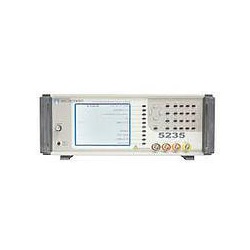
Why calibration matters for transformer test equipment
Transformer testing often involves evaluating electrical characteristics that are used to judge insulation condition, winding integrity, ratio accuracy, and overall equipment health. When the measuring instrument drifts over time, the risk is not limited to a single incorrect value. It can also affect maintenance planning, fault analysis, and acceptance decisions during installation or service work.
A structured calibration service helps verify that the instrument response remains aligned with known reference standards. In practical terms, this improves confidence in recorded data, supports internal maintenance procedures, and reduces uncertainty when comparing results across different test intervals or job sites.
Typical equipment covered in this service category
This category is intended for transformer-related electrical test instruments used in inspection, maintenance, and commissioning workflows. Depending on the device type, calibration may focus on output accuracy, measurement accuracy, stability, indication performance, or overall functional verification against defined reference conditions.
Because transformer testing can involve multiple electrical parameters, service requirements vary by instrument design and test method. Some users operate multifunction systems, while others rely on dedicated instruments for specific test tasks. In either case, regular calibration helps maintain measurement consistency across routine testing programs.
When to schedule calibration
Calibration intervals are usually influenced by how frequently the equipment is used, the criticality of the application, environmental exposure, and internal quality requirements. Instruments used in field service, utility maintenance, or production testing may require closer attention because transport, temperature variation, vibration, and repeated handling can gradually affect performance.
It is often practical to schedule calibration on a preventive basis rather than waiting for obvious issues to appear. Common triggers include annual service cycles, pre-project verification, post-repair checks, and any situation where readings appear inconsistent with historical data or with results from other verified instruments.
What users typically expect from a professional calibration process
A well-managed calibration workflow generally aims to confirm instrument performance against appropriate references and documented procedures. For technical teams, the real value is not only the certificate itself, but also the assurance that the equipment remains suitable for ongoing test work in the field or in the lab.
In many environments, calibration also supports compliance and audit readiness. Maintenance contractors, utilities, manufacturers, and industrial service teams often need documented evidence that their electrical test instruments are controlled within a recognized quality process. This is especially important when measurement results are used for formal reporting, acceptance testing, or long-term condition assessment.
How calibration supports safer and more reliable diagnostics
Transformer condition assessment depends on trustworthy data. If a test instrument is not performing correctly, the resulting interpretation may lead to unnecessary maintenance, missed warning signs, or repeated testing that consumes time and resources. Calibration helps reduce these risks by improving the reliability of the measurement chain.
It also contributes to better coordination between teams. When service crews, testing departments, and asset managers work from calibrated instruments, results are easier to compare and discuss. That consistency is valuable in trend analysis, root-cause investigations, and maintenance planning for critical power equipment.
Related calibration services that may also be relevant
Transformer test programs are often carried out alongside other electrical verification tasks, so related service categories may also be useful depending on the instruments in your workflow. For example, teams that handle continuity and contact quality checks may also need low resistance meter calibration.
Where insulation and dielectric performance are part of the broader test scope, it may be helpful to review withstand voltage test calibration service or insulating materials testing equipment calibration. For field teams involved in cable system diagnostics as part of substation or distribution maintenance, cable fault tester calibration service may also be relevant.
Choosing the right service approach
When arranging calibration for transformer test instruments, it is useful to consider the actual role of the equipment in your operation. A device used for critical acceptance testing may require tighter control and more formal documentation than one used only for preliminary troubleshooting. Understanding this context helps align service planning with operational risk and quality expectations.
It is also important to prepare the instrument with clear identification, known symptoms if any, and relevant service history. This allows the calibration process to be handled more efficiently and makes the returned documentation more useful for maintenance records and future scheduling.
Support long-term performance with regular calibration
Consistent electrical testing starts with instruments that can be trusted. Transformer test equipment used in maintenance, commissioning, and diagnostics should be calibrated at appropriate intervals so that decisions are based on dependable data rather than assumption. Over time, this helps improve reporting quality, supports asset management, and reduces avoidable uncertainty in technical evaluations.
If your work involves transformer-related electrical measurement, a dedicated Transformer Test Equipment Calibration Service is a practical step toward maintaining accuracy, traceability, and confidence throughout the testing lifecycle.
Get exclusive volume discounts, bulk pricing updates, and new product alerts delivered directly to your inbox.
By subscribing, you agree to our Terms of Service and Privacy Policy.
Direct access to our certified experts