
Hot Air Seam Sealing Machine Repair Service
Consistent seam quality is critical in the production of waterproof garments, technical textiles, outdoor equipment, medical protective wear, and other heat-sealed products. When a sealing unit begins to drift in temperature, lose air stability, feed unevenly, or produce inconsistent bonding, the result is often rework, material waste, and production delays. A professional Hot Air Seam Sealing Machine Repair Service helps restore stable operation so manufacturers can maintain product quality and reduce unplanned downtime.
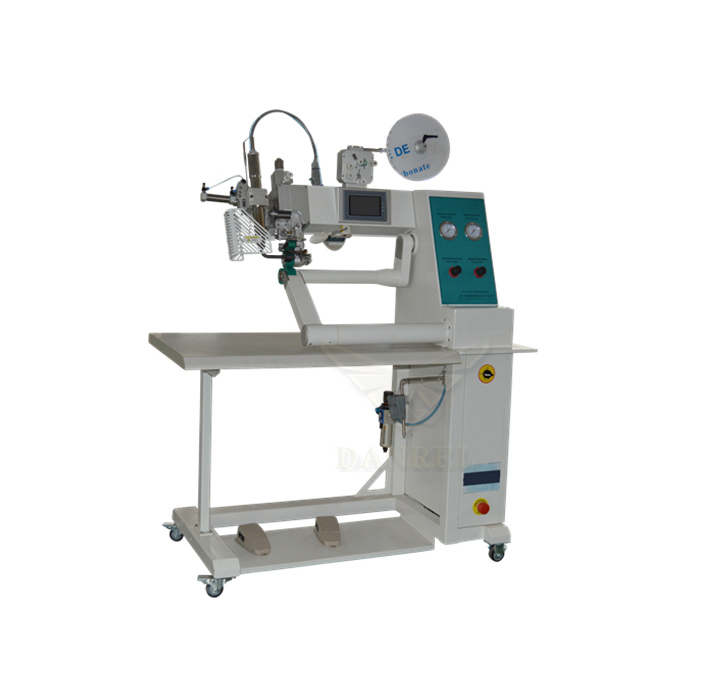
Why repair quality matters for seam sealing equipment
Hot air seam sealing machines are used where precision heat, pressure, and controlled material movement must work together. Even a small deviation in heating performance or roller alignment can affect seam appearance, adhesion strength, and long-term reliability of the finished product. In production environments, this kind of issue rarely stays isolated to one batch; it can quickly affect output consistency across an entire line.
A structured repair approach focuses not only on getting the machine running again, but also on identifying the source of failure. That may involve checking the heating system, air delivery, drive components, controls, sensors, and mechanical wear points. For operations that rely on repeatable sealing performance, proper repair work is part of process control, not just maintenance.
Common issues seen in hot air seam sealing machines
Machines in this category typically operate under continuous thermal and mechanical stress. Over time, components can wear, drift out of calibration, or become unstable due to contamination, aging parts, or heavy-duty use. This often shows up as weak sealing, scorched tape or fabric, wrinkled seams, irregular feed speed, or poor edge tracking during operation.
Another frequent problem is loss of process stability. Operators may notice temperature fluctuations, abnormal noise, inconsistent pressure at the sealing rollers, delayed startup, or intermittent control response. In some cases, the issue may be mechanical; in others, it may be linked to electrical or pneumatic sections. A capable repair service should evaluate the machine as a complete system rather than replacing parts blindly.
What a repair service typically covers
Repair work for seam sealing equipment generally begins with fault diagnosis and condition assessment. The goal is to determine whether the problem comes from heating performance, airflow, motion transmission, operator interface, or another subsystem. For industrial users, this diagnostic phase is important because many symptoms can overlap, and the visible defect at the seam is not always the root cause.
Depending on machine condition, service may include inspection of heaters, nozzles, rollers, belts, motors, wiring, switches, control elements, and related assemblies. The process can also involve adjustment, replacement of worn components, functional verification, and test running under operating conditions. Where necessary, service teams may also review machine setup factors that influence seam integrity and repeatability.
Typical applications that depend on stable seam sealing performance
Hot air seam sealing technology is widely used in sectors where stitched seams need added protection against water, air, dust, or fluid penetration. This includes rainwear, outdoor apparel, tents, covers, protective clothing, bags, inflatable products, and selected technical textile assemblies. In these applications, poor sealing can compromise both product performance and brand reputation.
Because product materials can vary significantly in thickness, coating, backing, and heat response, seam sealing machines often need to operate within a controlled process window. Repair and restoration work therefore plays an important role in helping manufacturers return the machine to a condition where settings respond predictably and production quality remains consistent from batch to batch.
How to evaluate a suitable repair partner
For industrial buyers, repair service selection should go beyond availability alone. A suitable provider should be able to assess thermal behavior, mechanical transport, and control performance in relation to the actual sealing process. This is especially important when defects appear intermittently or only under production load, since these cases require practical troubleshooting rather than surface-level inspection.
It is also useful to look for a service scope that supports both immediate repair needs and long-term equipment reliability. In broader maintenance environments, companies may also require support for related machinery such as cutting machine repair service or shear machine repair service, depending on the production workflow around textile or sheet processing operations.
When repair is preferable to extended downtime
In many factories, replacing a production machine is not the first practical option. Lead time, installation planning, operator retraining, and process validation can all create delays that are more costly than restoring the existing unit. If the machine structure is still sound, targeted repair can be an efficient way to recover usable performance and extend service life.
Repair is also valuable when a machine still meets production requirements but has developed recurring faults that affect reliability. Addressing those issues early can prevent more serious failure of connected systems and reduce the risk of larger disruptions on the line. In plants handling multiple forming or processing assets, this approach often aligns with a wider maintenance strategy that may include hydraulic stamping machine repair service or mechanical power presser repair service for other critical equipment.
Signs your machine should be inspected soon
If seam appearance becomes inconsistent, sealing strength drops, setup changes no longer produce predictable results, or the machine starts requiring frequent operator intervention, it is usually a sign that inspection should not be delayed. Heat-related equipment often degrades gradually before failure becomes obvious, which means product quality may be affected long before the machine stops completely.
Other warning signs include unstable airflow, unusual vibration, poor tape tracking, repeated temperature correction by the operator, and irregular feeding through the sealing zone. Early repair assessment helps determine whether the issue is caused by wear, contamination, misalignment, or a developing fault in controls or power delivery.
Support stable production with the right repair approach
A dependable Hot Air Seam Sealing Machine Repair Service supports more than basic machine recovery. It helps manufacturers restore process stability, protect seam quality, and reduce the operational impact of equipment faults in textile and technical material production. When repair work is carried out with attention to heating, movement, pressure, and control behavior as one integrated process, the result is usually more reliable day-to-day performance.
For businesses that depend on sealed seams for product functionality, timely repair can be an important part of maintaining output quality and protecting delivery schedules. Choosing a service approach based on accurate diagnosis, practical restoration, and real production needs is the most effective way to return the machine to stable working condition.
Get exclusive volume discounts, bulk pricing updates, and new product alerts delivered directly to your inbox.
By subscribing, you agree to our Terms of Service and Privacy Policy.
Direct access to our certified experts