
Knifes grinder Repair Service
When blade quality starts to drop, the problem is not always the knife itself. In many workshops, the real cause is worn motion components, unstable feed, vibration, motor issues, or inaccurate grinding alignment inside the machine. A professional Knifes grinder Repair Service helps restore grinding performance so production can return to consistent edge quality, safer operation, and more predictable maintenance planning.
Knife grinding equipment is used in a wide range of industrial environments where cutting precision matters. Whether the machine supports manufacturing, converting, processing, or general workshop operations, repair work should focus not only on getting the grinder running again, but also on improving repeatability, mechanical stability, and long-term reliability.
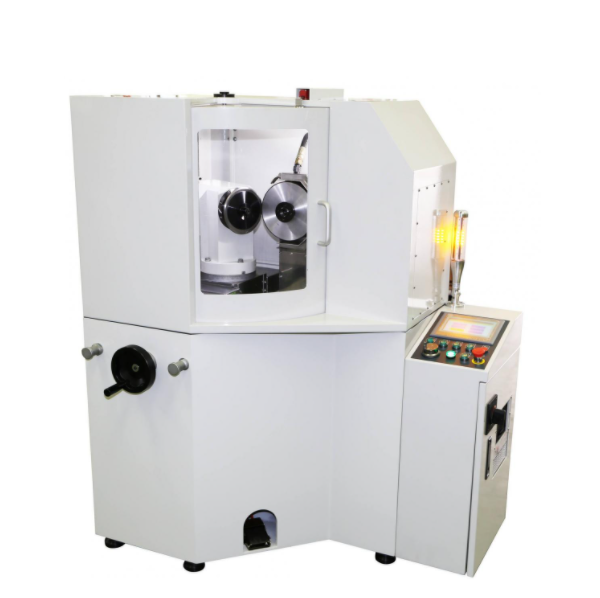
Why timely repair matters for knife grinding equipment
A knife grinder works under conditions that can gradually reduce accuracy: abrasive dust, continuous load, heat, bearing wear, and mechanical misalignment. Over time, these issues may lead to poor surface finish, uneven grinding, inconsistent edge angles, or excessive material removal. If left unresolved, small defects can affect downstream cutting quality and increase scrap or rework.
Timely repair helps bring the machine back to a stable operating condition before performance problems become larger mechanical failures. For many facilities, this means less unplanned downtime, better use of consumables, and more consistent grinding results across repeated production cycles.
Common issues addressed in knife grinder repair
Repair requirements can vary depending on the machine design and the application, but several fault patterns are common. These often include spindle instability, abnormal noise, overheating, reduced feed accuracy, electrical faults, control problems, or wear in moving assemblies that affects grinding precision.
Another frequent concern is alignment accuracy. If the machine no longer holds the correct grinding path or angle, blade geometry can become inconsistent even when the abrasive setup is correct. Service work may therefore involve inspection of the drive system, guides, supports, clamping sections, and other critical mechanical points that influence repeatable positioning.
- Irregular grinding finish or edge inconsistency
- Vibration during operation
- Reduced motor or spindle performance
- Feed or positioning errors
- Electrical or control-related interruptions
- Wear affecting machine stability and repeatability
What a repair service typically focuses on
A well-planned repair process usually begins with fault assessment and condition checking. This helps identify whether the issue is mainly mechanical, electrical, drive-related, or linked to operating wear. From there, the goal is to restore the grinder to a condition that supports stable grinding performance rather than only correcting the most visible symptom.
Depending on the machine condition, service work may include disassembly of worn sections, replacement of damaged parts, adjustment of moving elements, inspection of rotating components, and verification of operational smoothness after reassembly. In practice, this is especially important for equipment that must maintain edge consistency over repeated grinding cycles.
Signs your machine may need professional attention
Some failures are obvious, such as a machine that stops running or cannot complete a grinding pass. In many cases, however, the warning signs appear earlier and are easier to miss. Operators may notice that setup takes longer, noise levels increase, or the machine requires more operator correction to achieve acceptable results.
If the grinder starts producing inconsistent blade edges, leaves a rough finish, or shows unusual heat buildup during operation, it is often a sign that wear or misalignment is affecting performance. Addressing these symptoms early can reduce the chance of secondary damage to related components and help preserve machine availability.
How knife grinder repair supports production quality
Knife grinding equipment directly affects the quality of the cutting tools used in production. If the grinder is unstable, the resulting blade condition may reduce cutting efficiency, shorten knife life, or create inconsistency in the process that follows. Repair service therefore has value beyond the grinder itself; it also supports overall production control.
In environments where multiple machine types work together, maintaining each unit in proper condition improves workflow reliability. Facilities that also operate presses may benefit from related support such as mechanical power presser repair service, while cutting-focused lines may also review cutting machine repair service where process continuity depends on both tool preparation and machine performance.
Choosing the right service scope
Not every machine requires the same level of intervention. Some situations call for corrective repair after a clear fault, while others benefit more from a broader inspection and adjustment approach. The right service scope depends on how the grinder is used, the frequency of operation, the age of the machine, and how critical blade quality is to the process.
It is often helpful to evaluate the machine in relation to the surrounding equipment. For example, operations that also use sheet processing equipment may need related support such as shear machine repair service or hydraulic stamping machine repair service when performance issues affect more than one stage of production.
Practical considerations before arranging repair
Before scheduling service, it is useful to record the most visible symptoms: when the issue started, whether it appears under load, what sounds or vibration patterns are present, and whether grinding quality changes by material or operating condition. This kind of information can make troubleshooting more efficient and help narrow the likely fault area.
Facilities should also consider service timing in relation to production planning. A controlled repair window is usually more cost-effective than waiting for a complete breakdown. For machines that play a key role in sharpening or reconditioning industrial blades, maintaining reliable operation can make a meaningful difference in uptime and process consistency.
Supporting long-term machine reliability
Repair is most effective when viewed as part of a broader maintenance strategy. After restoring the machine, regular checks for wear, alignment, lubrication condition, and operational stability can help reduce repeat failures. This is particularly relevant for knife grinders because even small deviations can affect grinding results over time.
For businesses that depend on accurate blade preparation, a dependable knife grinder repair service helps protect both equipment condition and product quality. A structured repair approach can restore function, improve consistency, and support more reliable day-to-day operation across the wider production environment.
Get exclusive volume discounts, bulk pricing updates, and new product alerts delivered directly to your inbox.
By subscribing, you agree to our Terms of Service and Privacy Policy.
Direct access to our certified experts