
Lathe Machine Repair Service
Unexpected spindle vibration, poor surface finish, axis misalignment, or unstable feed motion can quickly turn a productive workshop into a bottleneck. When a turning machine starts losing accuracy or reliability, timely Lathe Machine Repair Service helps restore machining performance, reduce scrap, and prevent unplanned downtime from spreading across the production schedule.
For manufacturers, maintenance teams, and subcontract machining facilities, repair work is not only about getting a machine to run again. It is also about recovering repeatability, protecting tooling, and making sure the lathe can return to practical production conditions with stable mechanical and electrical behavior.
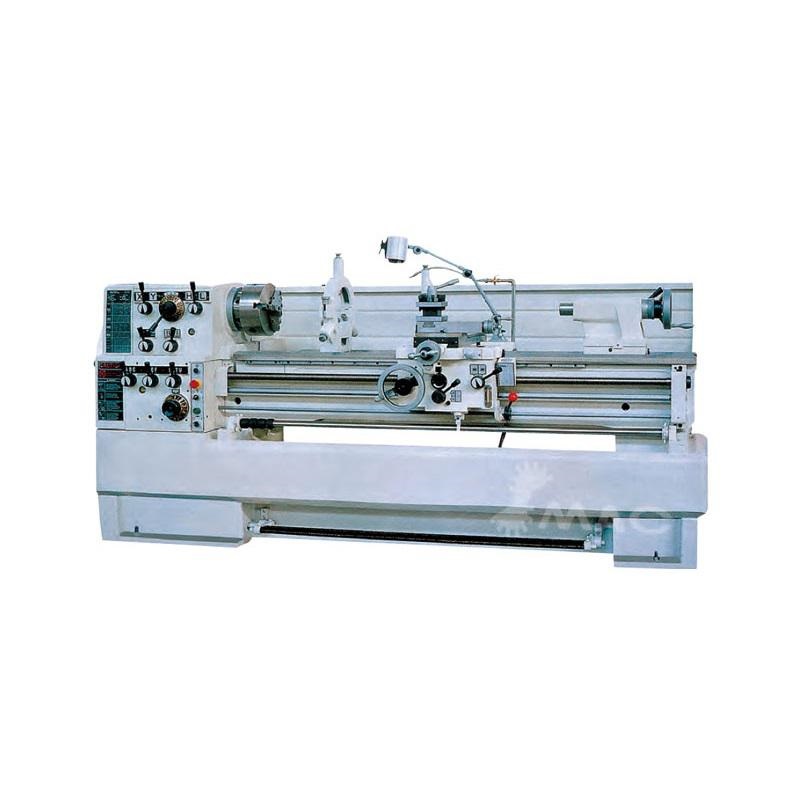
Why lathe machine repair matters in production environments
Lathes are central to many machining processes, especially where shafts, bushings, threaded parts, sleeves, and cylindrical components must be produced with consistent dimensions. When wear develops in guideways, spindle assemblies, drive systems, lubrication circuits, or control-related components, even small defects can lead to dimensional drift, chatter, or reduced machining efficiency.
A professional repair service focuses on identifying the root cause rather than only treating visible symptoms. This is particularly important in industrial settings where recurring faults may be linked to alignment issues, bearing wear, mechanical backlash, poor lubrication, or electrical instability. Addressing these issues correctly can extend machine life and improve operational confidence.
Common issues seen in lathe machines
Lathe machine problems can appear gradually or suddenly depending on machine age, load conditions, operator usage, and maintenance history. In many cases, the first warning signs include abnormal noise, inconsistent spindle rotation, reduced cutting quality, overheating, oil leakage, or difficulty maintaining dimensional tolerance over longer production runs.
Repair work may involve troubleshooting of spindle systems, feed mechanisms, carriage movement, tailstock alignment, clamping functions, drive transmission, or electrical control circuits. A structured diagnosis helps determine whether the issue is caused by mechanical wear, adjustment errors, damaged components, or interactions between multiple subsystems.
What a lathe machine repair service typically includes
The scope of service depends on machine condition and fault type, but industrial lathe repair often starts with on-site inspection or condition assessment. This stage is used to evaluate machine behavior, identify failed or worn areas, and determine whether corrective work should focus on mechanical restoration, electrical troubleshooting, calibration-related adjustment, or a combination of these activities.
Typical service work can include disassembly of affected assemblies, inspection of wear surfaces, replacement of damaged parts, correction of alignment problems, adjustment of moving elements, lubrication system checks, and operational testing after repair. For production users, the most valuable outcome is not simply a restarted machine, but a lathe that can return to a stable and usable machining condition.
Where broader workshop support is needed, companies may also review related service options such as cutting machine repair service for upstream fabrication equipment.
Key factors when selecting a repair provider
Choosing the right service partner requires more than comparing response time alone. For industrial users, it is important to look at diagnostic capability, experience with machine tool systems, the ability to handle both mechanical and electrical faults, and a practical approach to minimizing production disruption.
A suitable provider should be able to explain the failure clearly, recommend a realistic repair path, and define whether the machine needs corrective repair, partial overhaul, adjustment, or follow-up preventive maintenance. Good service communication is especially important when the lathe is part of a line or works alongside other heavy equipment that may also require specialist support, such as a shear machine repair service in metalworking environments.
Repair versus replacement: how to evaluate the practical option
Not every machine fault automatically justifies full replacement. In many workshops, a lathe remains structurally valuable even after years of use, especially when the machine frame, core mechanical platform, and general application fit are still appropriate for the work being produced. In these cases, repair can be a cost-conscious way to recover function and extend service life.
The decision usually depends on the severity of wear, frequency of breakdowns, availability of parts, downtime impact, and the precision level required by the application. If the machine still meets production needs after repair and adjustment, restoration may be more practical than replacing the entire asset. On the other hand, repeated failures across multiple subsystems may indicate the need for a broader modernization or replacement plan.
Supporting long-term machine reliability after repair
Successful repair should lead into better maintenance practice. Once a lathe has been restored, regular inspection of lubrication points, spindle condition, slide movement, drive behavior, and alignment stability can help reduce the risk of repeat failures. This is especially useful in shops running continuous production or mixed batch work where machine utilization is high.
Maintenance teams often benefit from documenting symptoms, downtime events, replaced components, and post-repair performance. Over time, these records make it easier to spot patterns and schedule service before a fault becomes critical. For facilities operating multiple types of forming and machining equipment, related support may also be relevant, such as mechanical power presser repair service or hydraulic stamping machine repair service.
Applications and service needs across different workshops
Lathe machines are used in general machining, metal component production, maintenance workshops, tool rooms, and industrial part refurbishment. Because these environments vary widely in workload and precision requirements, repair needs can range from straightforward corrective maintenance to deeper restoration of worn machine elements.
In practical terms, the best repair approach is one that matches the actual use case. A machine used for rough turning under heavy load may require different attention from a lathe used for precision finishing or repetitive small-batch parts. Understanding that operating context helps ensure the service work supports real production demands rather than only passing a basic functional check.
Choosing service with a focus on uptime and machining stability
When a lathe starts showing signs of wear or failure, early intervention usually provides more options and better control over downtime. A well-planned lathe machine repair process can help recover machine stability, improve process consistency, and protect the wider production workflow from avoidable disruption.
If your operation depends on dependable turning performance, it makes sense to evaluate repair needs based on actual machine condition, machining quality, and maintenance history. With the right service scope and follow-up care, a repaired lathe can continue supporting productive and reliable workshop operation.
Get exclusive volume discounts, bulk pricing updates, and new product alerts delivered directly to your inbox.
By subscribing, you agree to our Terms of Service and Privacy Policy.
Direct access to our certified experts