
Saw blade machine Repair Service
Unexpected vibration, uneven cutting, rising scrap rates, or unstable spindle movement are often early signs that a saw blade machine needs professional attention. In production environments where cutting accuracy directly affects downstream operations, timely service helps reduce unplanned downtime and protects both machine performance and operator safety.
Saw blade machine repair service is typically required when wear, alignment issues, electrical faults, or mechanical damage begin to interfere with normal operation. For workshops, fabrication lines, and industrial processing facilities, the goal is not only to restore motion, but to recover reliable cutting quality, stable throughput, and predictable maintenance intervals.
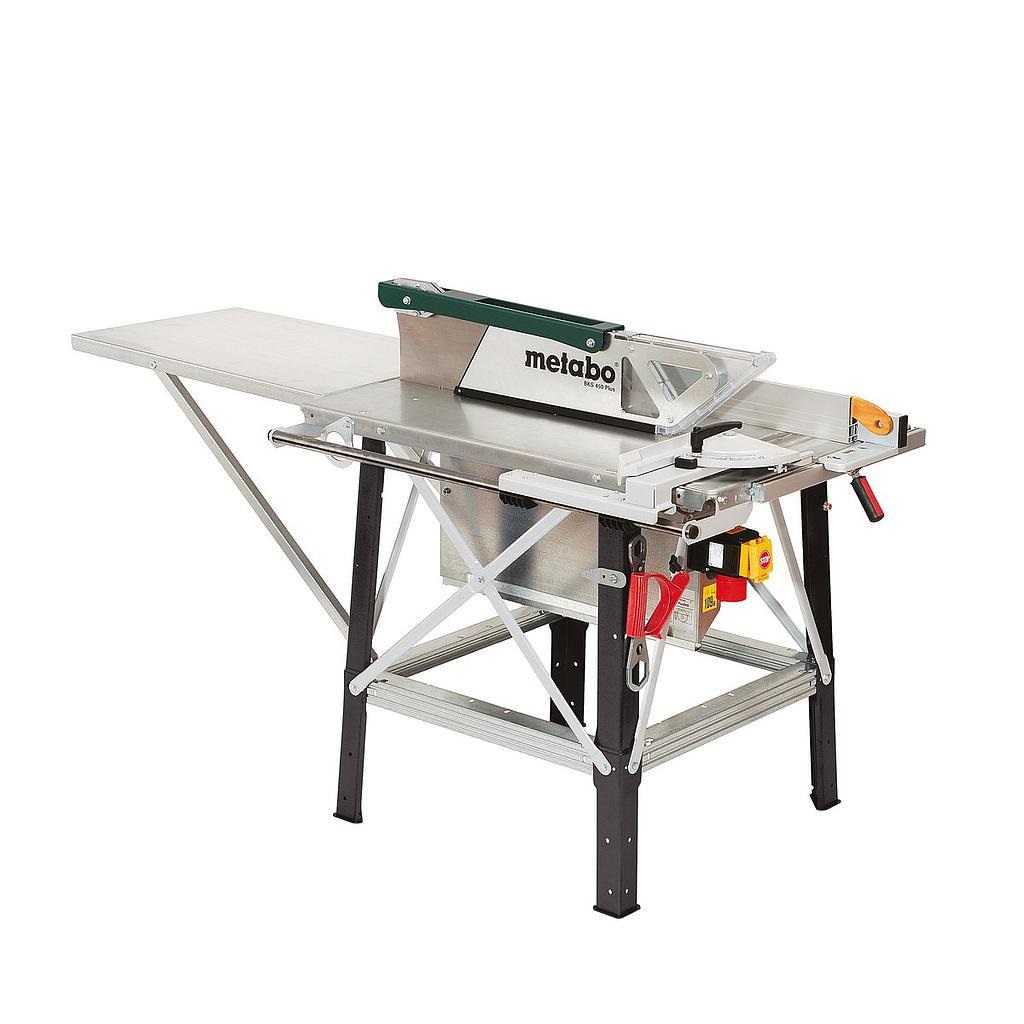
Why proper repair matters for saw blade machines
Saw blade machines operate under continuous mechanical load, and even small deviations can lead to larger production problems. A machine that no longer feeds smoothly or cuts consistently may increase material waste, shorten blade life, and place extra stress on motors, bearings, guides, and transmission components.
Professional repair work focuses on the machine as a complete system. That means checking not only the visible cutting section, but also drive components, feed mechanisms, control elements, and structural alignment. This broader approach is important because many cutting problems are symptoms of deeper mechanical or electrical causes rather than blade condition alone.
Common issues that indicate service is needed
In many facilities, machine problems develop gradually. Operators may first notice rougher cuts, inconsistent dimensions, unusual noise, overheating, or increased resistance during operation. These symptoms often point to wear in rotating parts, looseness in the machine frame, feed irregularities, or issues in the power and control system.
Another common concern is cutting accuracy. If the machine begins producing off-angle cuts, uneven edges, or unstable repeatability, the root cause may involve misalignment, spindle runout, worn guides, or poor clamping performance. Addressing these problems early can help avoid damage to related components and reduce production losses.
Typical scope of a saw blade machine repair service
The exact repair scope depends on machine condition, usage intensity, and the type of cutting process involved. In general, service may include inspection, fault diagnosis, replacement of worn mechanical parts, adjustment of moving assemblies, and testing of electrical or control-related functions. For many industrial users, the most valuable outcome is a machine that returns to stable, repeatable operation rather than a temporary fix.
Repair work may also involve checking mechanical alignment, lubrication points, feed motion, guarding, and overall structural integrity. Where relevant, technicians may review whether abnormal wear has been caused by loading conditions, improper setup, or long maintenance intervals. This helps improve not only immediate recovery, but also future reliability.
Mechanical and electrical problems often go together
On saw blade machines, mechanical symptoms and electrical symptoms are frequently connected. A motor that appears overloaded may actually be responding to friction, binding, or imbalance in the cutting system. Likewise, irregular motion that seems mechanical can sometimes be related to unstable control signals, switching issues, or power-related faults.
For that reason, effective troubleshooting usually benefits from a combined inspection of both machine mechanics and supporting electrical functions. This is especially important in industrial environments where cutting equipment is integrated into broader workflows and a single fault can affect upstream material handling or downstream fabrication.
When to repair instead of waiting for failure
Waiting until a saw blade machine stops completely can increase repair complexity and disrupt delivery schedules. Early intervention is often the better choice when operators observe abnormal sound, increased vibration, loss of feed consistency, or visible decline in cut finish. These warning signs can indicate progressive wear that becomes more expensive if left unresolved.
Planned service is also useful after heavy operating cycles, repeated production of difficult materials, or long-term use without a detailed inspection. In these cases, repair and condition assessment help support preventive maintenance by identifying parts and assemblies that may soon require adjustment or replacement.
Related repair services in industrial production lines
Saw blade equipment is often part of a wider production environment that includes forming, cutting, and material processing machinery. If your facility operates multiple machine types, it can be useful to review related support options such as cutting machine repair services or shear machine repair services for other equipment in the same workflow.
In fabrication and press-based operations, maintenance planning may also overlap with services such as hydraulic stamping machine repair and mechanical power presser repair. Looking at the line as a whole can help reduce bottlenecks and improve equipment availability across the plant.
How to evaluate a repair requirement
When assessing whether a saw blade machine needs repair, it is helpful to record the actual symptoms seen during operation. Note whether the problem is constant or intermittent, whether it appears under load, and whether it affects cut quality, speed, temperature, or operator control. This information can make fault diagnosis more efficient and reduce time spent on trial-and-error troubleshooting.
It is also useful to review service history, maintenance frequency, and recent changes in production conditions. A machine cutting different materials, running longer shifts, or operating with inconsistent setup may show new wear patterns that influence the repair strategy. Clear evaluation helps determine whether the issue is isolated, recurring, or part of a broader maintenance concern.
Supporting stable operation after repair
Repair is most effective when followed by proper inspection routines and practical maintenance control. After restoring the machine, users should continue monitoring vibration, feed behavior, cutting finish, and general operating stability. Small changes after repair may provide early warning of alignment drift, lubrication problems, or renewed wear.
For industrial users, the value of a repair service lies in getting the saw blade machine back into dependable working condition with fewer disruptions to production. A careful, system-level approach helps extend equipment life, supports consistent output, and makes future maintenance planning more manageable.
Get exclusive volume discounts, bulk pricing updates, and new product alerts delivered directly to your inbox.
By subscribing, you agree to our Terms of Service and Privacy Policy.
Direct access to our certified experts