
Winding Machine Repair Service
Unstable winding tension, uneven roll formation, misalignment, and intermittent stoppages can quickly reduce output quality in converting, packaging, textile, wire, film, paper, and related production lines. When these issues appear, a targeted Winding Machine Repair Service helps restore machine stability, reduce waste, and bring the process back under control without unnecessary replacement of major equipment.
For many manufacturers, winding systems are closely tied to upstream and downstream operations, so even a small mechanical or control-related fault can affect the entire line. A structured repair approach is useful not only for correcting visible failures, but also for identifying the root cause behind recurring tension problems, tracking errors, vibration, or inconsistent winding quality.
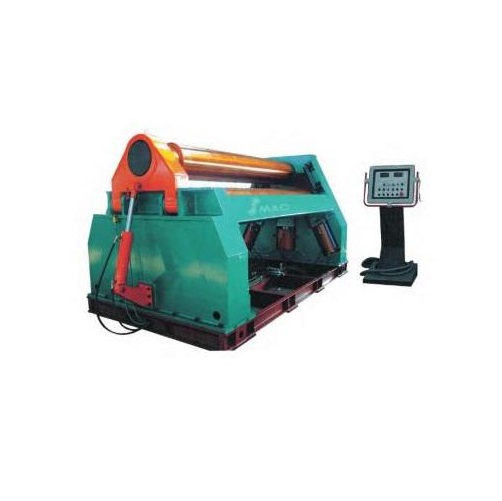
Why winding machine repair matters in production
Winding equipment is expected to maintain consistent motion, roll quality, and material handling over long operating cycles. In real production environments, wear, contamination, mechanical drift, and electrical faults can gradually affect performance before a complete breakdown happens. Repair work therefore often plays a dual role: fixing the immediate problem and recovering process reliability.
In many applications, winding quality directly influences later stages such as cutting, sealing, laminating, inspection, storage, or shipment. A machine that winds too loosely, too tightly, or off-center may create downstream defects and unnecessary scrap. Addressing the issue early can help protect both product consistency and production planning.
Common issues found in winding machines
Repair needs vary by machine design and application, but several fault patterns are common across winding systems. These include unstable tension, poor edge alignment, slipping drive components, irregular roll hardness, sensor errors, noisy operation, and unexpected line stops. In some cases, the machine still runs, but the final roll quality no longer meets production expectations.
Mechanical causes may involve worn shafts, bearings, couplings, rollers, brakes, or alignment elements. Electrical and automation-related issues can include control faults, feedback instability, cabling problems, or inconsistent signal response. Because winding systems often combine motion, sensing, and operator settings, effective troubleshooting usually requires looking at the machine as a complete integrated system rather than isolating only one component.
Typical scope of a winding machine repair service
A practical repair process usually begins with fault assessment and symptom verification. This may include checking machine movement, evaluating roll formation, reviewing abnormal sounds or vibration, and confirming whether the problem is mechanical, electrical, or process-related. From there, service work can focus on restoring normal operation through adjustment, part replacement, calibration, or corrective maintenance.
Depending on machine condition, repair activity may cover drive transmission, rotating assemblies, tension-related mechanisms, feeding and guiding sections, sensors, operator interface behavior, and general machine alignment. Where repeated faults are present, root cause analysis is especially important to avoid short-term fixes that do not solve the real production issue.
For facilities running mixed machinery, it can also be useful to coordinate service planning with related equipment. For example, lines that include cutting stages may benefit from reviewing the condition of associated cutting machine repair service needs at the same time, especially when process flow and material handling are closely connected.
How repair supports winding accuracy and product quality
Good repair work is not limited to making a machine run again. It should also support stable winding behavior under actual production conditions. That includes smoother material travel, more consistent roll build, better tracking, and a lower chance of defects caused by drift or imbalance. In this sense, repair contributes directly to quality control as well as equipment uptime.
When a winding machine is operating properly, operators can make routine adjustments with greater confidence and less compensation for hidden machine problems. This often reduces trial-and-error setup time and improves repeatability from batch to batch. For production teams, that means less waste, fewer interruptions, and easier process management.
Key points to consider when selecting a repair service
Not every machine fault requires the same level of intervention, so it is important to work with a service approach that matches the actual condition of the equipment. A useful starting point is whether the problem is sudden or recurring. Sudden failures may point to a specific damaged part or electrical issue, while recurring defects often suggest alignment drift, wear progression, or an unresolved control problem.
It is also worth considering how the winding machine interacts with the rest of the line. In some plants, the root cause may not be isolated to the winding section alone. If material enters the machine inconsistently, or if downstream handling creates back-pressure, service planning may need a broader view. Similar logic applies in facilities that also depend on shear machine repair service support or other process-critical machinery in the same workflow.
Clear fault description, operating history, and examples of product defects can help speed up diagnosis. Information such as when the issue appears, whether it changes with speed or material type, and whether maintenance has already been attempted can make the repair process more efficient.
Repair, maintenance, and long-term machine performance
Winding machine repair is often most effective when combined with basic preventive maintenance practices. Regular inspection of moving parts, cleaning of critical zones, verification of alignment, and early response to unusual noise or vibration can reduce the chance of severe failure. Even when a machine is currently running, minor wear can build into a larger problem if left unaddressed.
For production environments with heavy-duty or continuous operation, planned service intervals can be especially valuable. They help identify developing issues before they affect roll quality or cause an unexpected stoppage. Plants that operate several forms of forming and pressing equipment may also review related service categories such as hydraulic stamping machine repair service or mechanical power presser repair service when organizing broader maintenance schedules.
When to arrange service for a winding machine
Several signs usually indicate that service should be scheduled soon: repeated roll defects, unstable tension behavior, frequent alarms, inconsistent tracking, abnormal vibration, overheating, or reduced throughput compared with normal operation. Even if production can continue temporarily, these symptoms often signal progressive wear or a control issue that may become more expensive to fix later.
Early intervention is usually the more practical path when the machine is important to line output or product quality. Prompt repair can help limit scrap, avoid secondary damage, and restore more predictable operation across the process.
Supporting stable operation across winding applications
Winding systems can differ widely by material, machine configuration, and production objective, but the service goal is consistent: recover safe, stable, and repeatable operation. A well-executed repair process should help the machine run with better control, improved consistency, and less disruption to surrounding production steps.
If your line is affected by tension instability, uneven winding, tracking problems, or recurring stoppages, a focused repair assessment is often the most effective way to determine the cause and restore dependable performance. Choosing the right repair scope at the right time can protect output quality and extend the useful life of the equipment.
Get exclusive volume discounts, bulk pricing updates, and new product alerts delivered directly to your inbox.
By subscribing, you agree to our Terms of Service and Privacy Policy.
Direct access to our certified experts