Telecom-TV Measurement
Reliable RF and telecom testing depends on more than one instrument. Engineers and maintenance teams usually need a practical mix of power measurement, network analysis, cable verification, signal evaluation, and supporting accessories to validate links, characterize components, and troubleshoot field or lab issues. This is where Telecom-TV Measurement equipment becomes essential across broadcast, wireless, microwave, and communication infrastructure workflows.
This category brings together instruments used to measure signal behavior, transmission quality, RF power, and network performance in telecom and TV-related environments. It is relevant for design labs, service teams, system integrators, production lines, and maintenance engineers working with antennas, feeders, waveguides, base stations, RF modules, and communication networks.
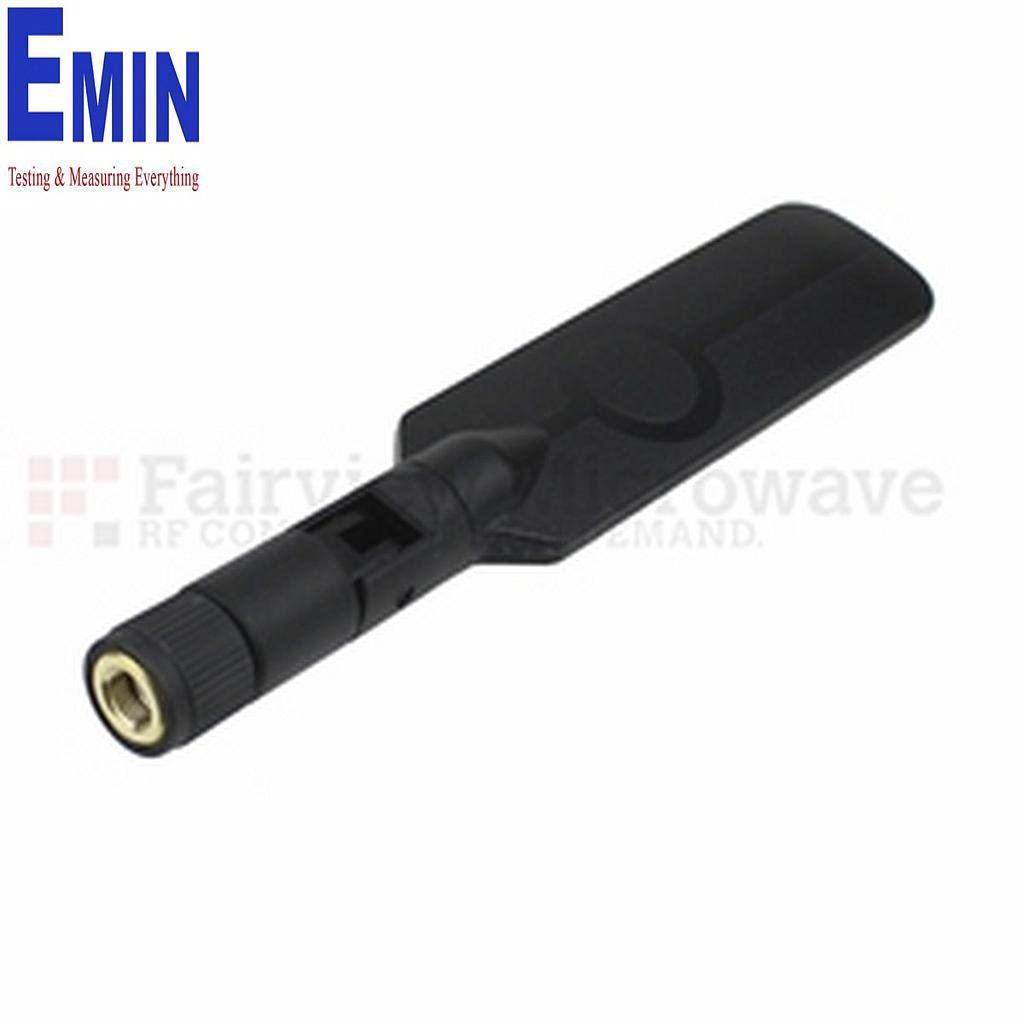
Where telecom and TV measurement equipment is used
In real-world projects, measurement needs can vary widely. Some applications focus on verifying transmitter output and insertion loss, while others require characterization of passive components, cable assemblies, or microwave paths. In telecom and broadcast environments, accurate test data supports installation quality, preventive maintenance, fault isolation, and compliance-oriented validation.
Typical use cases include base station service, antenna and feeder checks, lab evaluation of RF devices, waveguide power measurements, and verification of network paths during commissioning. For teams that also perform adjacent electrical checks during site work, complementary instruments such as a multimeter may be useful alongside specialized RF test equipment.
Core instrument groups in this category
A broad telecom measurement workflow often combines several device types rather than relying on a single platform. Power meters and power sensors are used to measure RF or microwave power accurately across different bands, while vector network analyzers help evaluate S-parameters, return loss, insertion loss, and matching behavior in components and interconnects.
Other tools in this ecosystem include signal analyzers, signal generators, cable and antenna analyzers, VSWR analyzers, network testers, and equipment for low-frequency or wave-related testing. This category also covers supporting elements such as attenuators, calibration modules, adapters, and communication accessories that help complete a stable and traceable measurement setup.
Examples of equipment found in telecom measurement setups
For RF power measurement, the KEYSIGHT N1913B EPM single-channel power meter is a representative example of a bench instrument used with compatible sensors across a very wide frequency span, depending on the sensor selected. In practical terms, this type of instrument is useful when teams need repeatable average power readings, offset handling, averaging functions, and remote connectivity for automated test environments.
Sensor selection is equally important. The KEYSIGHT N8485A thermocouple power sensor supports measurements from 10 MHz to 26.5 GHz, while waveguide-focused models such as the KEYSIGHT N8486DD-200 and N8486DG-200 are intended for higher-frequency microwave applications where connector and band compatibility matter as much as measurement range.
For network characterization, instruments such as the KEYSIGHT P9384B, P9382B, P9377B, and P9375B illustrate how vector network analyzer platforms are used to assess multi-port or two-port RF behavior across different frequency ranges. In a calibrated setup, accessories like the KEYSIGHT N4693D electronic calibration module help simplify and speed up two-port calibration procedures before measurement begins.
How to choose the right telecom-TV measurement instrument
The first selection factor is the actual measurement task. If the goal is power verification, focus on meter-sensor compatibility, required frequency coverage, dynamic range, and whether average or CW measurement behavior matches the application. If the task involves filters, cables, antennas, amplifiers, or passive RF components, a network analyzer is usually the more appropriate starting point.
The next step is to review the physical interface of the DUT and test path. Connector type, waveguide format, number of ports, and expected power levels all influence the correct instrument and accessory choice. Calibration method also matters, especially for higher-frequency work where repeatability depends heavily on proper standards and well-matched test hardware.
Buyers should also consider workflow requirements such as bench use versus field portability, remote control interfaces, reporting needs, and whether the instrument will be integrated into automated systems. In mixed verification environments, measurement teams may also work with related categories such as SMU semiconductor test for device-level electrical characterization outside the RF path itself.
Why calibration, accessories, and setup quality matter
In telecom and microwave measurement, the quality of the result depends not only on the main instrument but also on the complete measurement chain. Calibration accessories, adapters, attenuators, sensor matching, cable condition, and connector cleanliness all affect uncertainty and repeatability. This is especially true in high-frequency applications where small setup errors can produce significant deviations.
Products such as the KEYSIGHT 8493C-CFG001 attenuator and KEYSIGHT N4693D electronic calibration module show how support components contribute to practical measurement reliability. Even items that look secondary, such as adapters or fixtures, can be critical in protecting instruments, improving connection consistency, or enabling safe and repeatable test configurations.
Manufacturer landscape and solution coverage
This category includes products and solution families from recognized test and measurement suppliers such as ANRITSU, EXFO, Fluke Network, HIOKI, KEYSIGHT, OMICRON, PICO, and Rohde & Schwarz. Different manufacturers may be preferred depending on whether the priority is RF lab characterization, fiber and telecom field testing, electrical support measurements, or integrated service workflows.
For example, HIOKI accessories such as the Z3210 wireless adapter can support reporting and data handling around compatible measurement workflows, while KEYSIGHT appears strongly in the RF and microwave examples within this category. The right choice is usually determined by application fit, existing installed base, interface preferences, and required measurement architecture rather than by brand name alone.
Building a practical measurement workflow
A robust telecom test process typically starts with defining the signal path and identifying the parameter that matters most: output power, loss, impedance behavior, interference, cable integrity, or protocol-level performance. From there, teams can select a sensible combination of instruments instead of over-specifying one device to cover every task.
For instance, a workflow may pair a power meter and sensor for transmitter verification with a network analyzer for component characterization and an accessory set for calibration and signal conditioning. In more specialized RF research or motion-related sensing environments, users may also explore adjacent technologies such as Doppler Radar where RF measurement principles overlap in meaningful ways.
Choosing with confidence
Telecom and TV measurement work demands instruments that match the frequency range, connector format, measurement method, and operational context of the application. Whether the requirement is routine maintenance, production verification, microwave lab testing, or field troubleshooting, selecting the right combination of RF power measurement, network analysis, and supporting accessories leads to more dependable results.
Use this category as a starting point to compare suitable instruments, sensors, calibration tools, and related accessories for your testing environment. A well-matched setup helps reduce uncertainty, improve troubleshooting efficiency, and support more consistent decisions across telecom and broadcast projects.
Get exclusive volume discounts, bulk pricing updates, and new product alerts delivered directly to your inbox.
By subscribing, you agree to our Terms of Service and Privacy Policy.
Direct access to our certified experts