Training, Education, Research equipments
Practical training and applied research often depend on more than a single instrument. In technical classrooms, laboratories, and industrial learning environments, teams usually need a mix of development platforms, measurement tools, software, and hands-on training systems that support both theory and experimentation. This is where Training, Education, Research equipments become especially valuable for engineering education, prototype work, and skills development.
This category brings together solutions used in electronics, automation, industrial control, embedded systems, and laboratory learning. Whether the goal is to introduce basic concepts, support advanced project-based teaching, or enable research workflows, the right equipment helps users move from demonstration to testing, debugging, and validation with a more structured process.
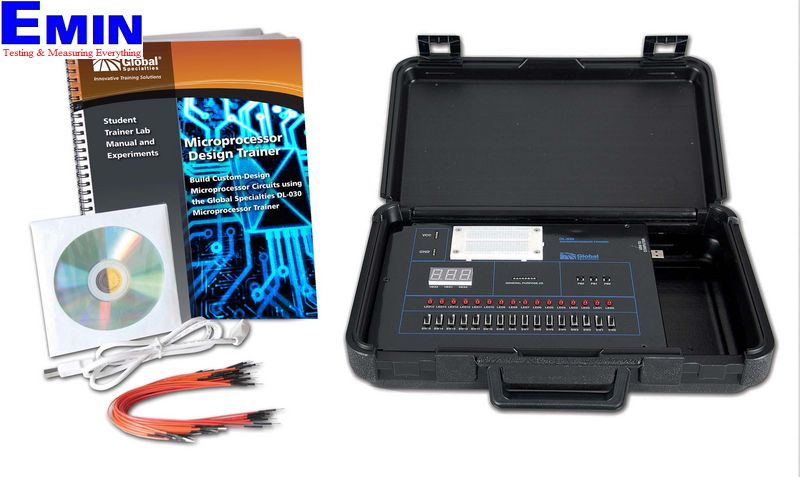
Designed for technical learning and applied development
Education and research environments require equipment that is easy to deploy, repeatable in use, and suitable for step-by-step learning. In many cases, the same setup must support beginners learning fundamentals and advanced users working on integration, troubleshooting, or proof-of-concept development. That makes flexibility and clarity just as important as technical capability.
This category is relevant for universities, vocational schools, R&D centers, training labs, and industrial teams building internal competence. It may include platforms for electronics practice, embedded development, signal and bus analysis, training software, and tools that help learners understand how real systems behave under test conditions.
Typical equipment types found in this category
The scope of training and research equipment is broad because technical education itself is multidisciplinary. Some users need entry-level kits for programming and sensor interfacing, while others require more specialized tools for communication debugging, process studies, or software-assisted lab work.
Common use cases include:
- Embedded and microcontroller training for coding, I/O control, and sensor experiments
- Communication and interface analysis for observing network behavior and debugging system interactions
- Laboratory software tools for data capture, analysis, or structured teaching workflows
- Industrial training platforms for automation, maintenance, and control concepts
Because the page already groups many specialized subcategories, this main category is useful as an overview for buyers comparing different training approaches across electronics, automation, and research applications.
Representative products for learning, testing, and debugging
Several products in this category illustrate the range between introductory education tools and more specialized development support. For example, the Arduino K000007 Arduino Starter Kit is well suited to hands-on learning with a broad set of common components, including display elements, sensors, motor-related parts, and prototyping accessories. In an education setting, this type of kit helps learners move quickly from basic input/output exercises to small integrated projects.
For more advanced interface work, the Analog Devices ADZS-A2B-ANALYZER A2B Bus Analyzer represents a different class of training and development equipment. Rather than serving as a beginner kit, it supports design and debug activities around A2B networks, which is useful in research, development, and specialized technical instruction where understanding bus behavior is important.
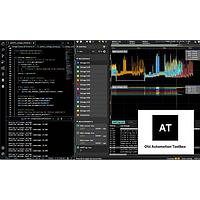
Software also has a place in this ecosystem. BROOKFIELD Wingather SQ Software is an example of how digital tools support measurement workflows, data handling, or instructional use in lab environments. In practice, training quality often improves when physical hardware is paired with software that helps users visualize and organize test results.
Key selection criteria for B2B buyers
When selecting equipment for education or research, procurement decisions usually depend on the teaching objective first. A starter platform for classroom exercises is not evaluated the same way as a specialized analyzer for protocol debugging or a software package used in a lab workflow. Buyers should therefore look at the intended depth of learning, the skills to be taught, and the expected level of user independence.
Other important factors include scalability, ease of maintenance, availability of accessories, and compatibility with existing lab setups. For institutions that serve multiple departments, modularity can be especially useful because one platform may support electronics, control, and introductory automation exercises over time.
It is also helpful to consider whether the equipment is best suited for demonstration, individual practice, team projects, or advanced research use. A teaching lab may prioritize durable and repeatable setups, while an R&D group may focus more on debug capability, data visibility, and integration with broader development workflows.
Manufacturers commonly used in training and lab environments
This category includes products associated with well-known suppliers across education, test, and industrial technology. Arduino is widely recognized in project-based learning for accessible embedded development and rapid prototyping. It is often chosen where students need a practical introduction to programming, sensors, displays, and actuator control.
Analog Devices is relevant when training or research moves into signal-chain understanding, interface development, and bus-level analysis. In more advanced learning environments, tools from this ecosystem can support deeper work on communication architecture and system debugging.
Other manufacturers listed in this category, such as Advantech, Banner Engineering, BROOKFIELD, Eaton, FLUKE, HIOKI, Hirschmann, and Intel, reflect the broader overlap between education and industrial practice. For many organizations, that overlap matters because learners benefit from exposure to equipment concepts that resemble real deployment conditions in manufacturing, automation, and applied engineering.
How these solutions support research and skills development
In research and advanced training, equipment is often selected not just to demonstrate a concept but to let users explore cause and effect. Students and engineers may need to compare signals, log data, observe responses, validate assumptions, or isolate faults. Tools that make these steps visible can shorten the gap between theoretical understanding and practical competence.
This is especially important in multidisciplinary fields such as mechatronics, control systems, embedded design, and industrial communication. A well-chosen training setup can support progression from component-level study to subsystem integration, helping users build confidence before they work on live equipment or production-oriented systems.
For organizations building internal technical capability, training equipment also supports standardization. It allows repeatable exercises, structured onboarding, and safer practice before staff engage with higher-risk or more complex field installations.
Choosing the right mix for classroom, lab, or project work
A strong equipment strategy usually combines several layers: introductory hardware, intermediate experiment tools, and more advanced platforms for debug or analysis. Entry-level kits help learners understand fundamentals. Specialized analyzers and software become more important as the focus shifts toward system behavior, troubleshooting, and research tasks.
For B2B buyers, the most effective approach is often to match equipment to the actual learning path. Technical schools may need broad-use platforms that support repeated student exercises, while research teams may prefer narrower tools with stronger visibility into communications, measurements, or application-specific testing. Budget planning also becomes easier when the category is viewed as an ecosystem rather than a list of unrelated items.
Supporting better decisions in technical education procurement
Training and research environments work best when equipment is aligned with learning outcomes, user skill level, and the realities of lab operation. From hands-on embedded kits to communication analyzers and software tools, this category supports a wide range of educational and applied engineering needs without forcing every use case into the same format.
If you are comparing options for a teaching laboratory, development bench, or research program, focus on how the equipment will be used day to day: who will operate it, what they need to learn, and how easily the setup can scale over time. That practical view usually leads to better long-term value and a more effective technical training environment.
Get exclusive volume discounts, bulk pricing updates, and new product alerts delivered directly to your inbox.
By subscribing, you agree to our Terms of Service and Privacy Policy.
Direct access to our certified experts